The “Silent Interface” of Running
Runners often obsess over their shoes, spending hours analyzing gait and hundreds of dollars on the latest carbon-plated footwear. Yet, they often neglect the critical layer directly touching their skin: the sock. If you are suffering from blisters, hot spots, or black toenails, the culprit is likely not your expensive shoes, but the bargain-bin socks inside them. In this guide, we break down why technical socks are a non-negotiable piece of gear for any serious runner.
The Science of Blisters
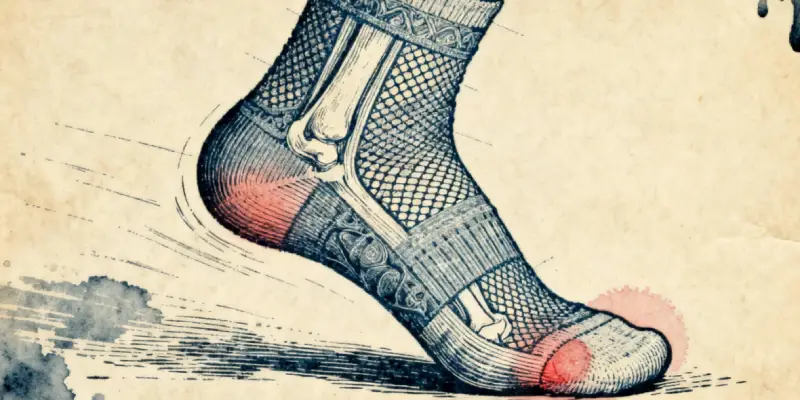
Blisters are not random; they are the result of a specific physical equation: Heat + Moisture + Friction.
- Moisture Accumulation: Wet skin is softer and more susceptible to damage than dry skin.
- Friction: As you run, your foot makes thousands of micro-movements inside the shoe.
- The Cotton Trap: Standard cotton socks absorb moisture (sweat) and hold it against the skin, increasing the coefficient of friction significantly.1
Why Material Matters More Than Cushioning
- Cotton is the Enemy:
- Cotton is hydrophilic (water-loving). It absorbs up to 27 times its weight in water.
- Once wet, it loses its shape, leading to bunching and creasing—primary causes of blisters.
- Synthetics (Polyester/Nylon):
- Designed to be hydrophobic. They pull moisture away from the foot to the outer layer of the sock where it can evaporate through the shoe mesh.
- Merino Wool:
- Nature’s technical fabric. It regulates temperature and remains insulating even when wet.
- It has natural antimicrobial properties, reducing odor over long distances.2
“Invest in your feet. A $15 pair of socks is cheaper than a skipped week of training due to open wounds.”
※ Fit tip: A running sock should be snug. If there is extra fabric at the toe, it will fold over and cut you.
Definition List
- Wicking
- The capillary action of moving moisture through fabric channels away from the skin to the exterior surface.
- Zero-Seam / Seamless Toe
- A knitting technique that eliminates the ridge across the toes, removing a common abrasion point.
- Anatomical Fit
- Socks specifically knitted for the Left (L) and Right (R) foot to follow the toe arch, preventing bunching.
Material Comparison Table
| Material | Moisture Management | Friction Risk | Odor Control | Rec. Use |
|---|---|---|---|---|
| 100% Cotton | Poor (Absorbs) | High | Low | Casual Only |
| Synthetic Blend | Excellent (Wicks) | Low | Medium | Daily Training/Racing |
| Merino Wool | Great (Regulates) | Very Low | High | Long Distance/Trail |
Key Features to Look For
- Double Layer Construction: Some brands (like Wrightsock) use two layers that rub against each other rather than your skin, effectively canceling out friction.3
- Toe Socks: Brands like Injinji separate toes to prevent skin-on-skin rubbing, a savior for runners prone to blisters between toes.
- Targeted Compression: keeps the sock locked in place so it doesn’t slide down your heel.