
Imagine cruising down the interstate at 70 mph when your steering wheel starts a frantic, rhythmic dance. Seconds later, you see a black blur overtake you on the left. It’s your own front wheel. This nightmare scenario is exactly why the 100-Mile Rule exists. Most drivers treat tire service as a “set it and forget it” task, but that complacency is a recipe for disaster.
The Physics of Failure
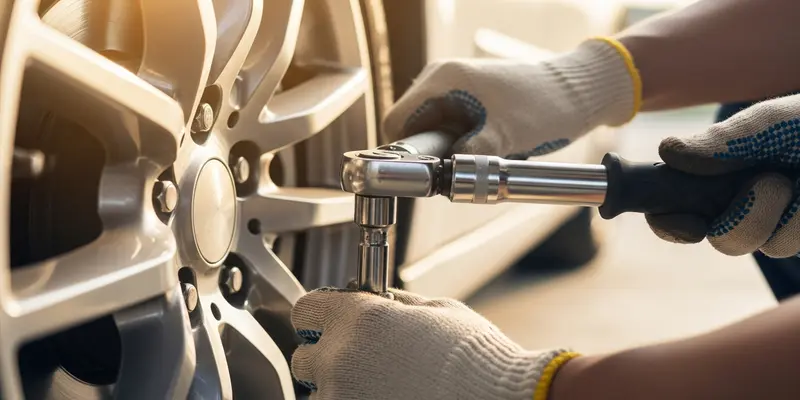
When a shop installs your tires, they use an impact wrench or a torque wrench to tighten the lug nuts to specific factory settings. However, metal isn’t static. It breathes. Between the heat of braking and the vibration of the road, components shift.
- Thermal Expansion: Your wheels and studs expand and contract at different rates.
- Settling: Microscopic bits of dirt or rust between the wheel and the hub can compress, creating a tiny gap.
- The Domino Effect: Once one nut loses tension, the others carry more load, vibrating loose in rapid succession.
Why Your Mechanic Won’t Save You
It isn’t that your mechanic is lazy. It’s that the physics of a moving vehicle require a break-in period. A professional shop should tell you to come back after 50 to 100 miles for a re-torque. If they don’t, they are doing you a disservice. But ultimately, the responsibility sits in your driveway. You shouldn’t need a professional to perform a five-minute safety check that keeps your car from disintegrating on the highway.
A Rainy Lesson in Tacoma
I learned this lesson the hard way on a miserable, bone-chilling Tuesday outside of Tacoma. I’d just had a fresh set of all-seasons put on my old truck. About sixty miles into my trek, I heard a faint clack-clack-clack. I ignored it, blaming the uneven pavement. By mile eighty, the vibration felt like an earthquake in my palms.
I pulled over into a muddy turnout, soaked to the skin, and found that two of my five lug nuts were gone entirely. The remaining three were so loose I could spin them with my pinky finger. I was minutes away from a catastrophic failure. Kneeling in the mud with a basic tire iron, I tightened those nuts until my knuckles bled. I haven’t missed a 100-mile check since.
How to Re-Torque Properly
Don’t just crank them until you turn blue in the face. Over-tightening can be just as dangerous as under-tightening because it stretches and weakens the studs.
- Use a Torque Wrench: Invest $50 in a decent torque wrench. Your owner’s manual will list the exact foot-pounds required.
- Follow the Star Pattern: Never tighten in a circle. Always move in a star or cross-hatch pattern to ensure even pressure.
- Check After 100 Miles: Every single time the wheels come off—whether for a rotation, new brakes, or a seasonal swap—check them again after the first hour of driving.
The Bottom Line
We live in an age of automated safety sensors and lane-assist technology, but none of that matters if your wheels aren’t physically attached to your car. The 100-Mile Rule is the ultimate low-tech insurance policy. Take the five minutes. Grab the wrench. It’s the difference between a smooth ride and a total loss.
FAQs
Q: Why do lug nuts come loose in the first place? Settling is the primary culprit. Small amounts of paint, rust, or debris can compress after driving, creating a gap that allows the nut to back off.
Q: Can I just use the wrench that came with my spare tire? In an emergency, yes. For a proper check, no. A torque wrench is necessary to ensure you reach the specific tension required by your vehicle manufacturer.
Q: Is it okay to over-tighten them just to be safe? Absolutely not. Over-tightening can strip the threads or cause the wheel studs to snap under stress, leading to the same wheel detachment you’re trying to prevent.
Q: Does this apply to brand-new cars too? Yes. While factory assembly is rigorous, any time a wheel is removed and replaced, the 100-mile re-torque rule applies.
Q: What are the warning signs of loose lug nuts? Look for a rhythmic clicking or thumping sound, steering wheel vibration, or a sensation that the car is “wandering” even on a straight road.
Q: Should I use anti-seize lubricant on my lug nuts? Generally, no. Most manufacturers specify “dry” torque ratings. Adding lubricant can lead to over-torquing and accidental loosening.