
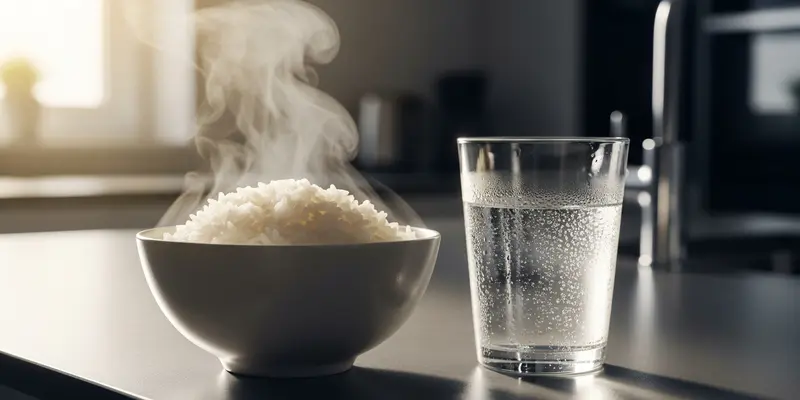
Most people treat their microwave like a culinary trash compactor. They toss in last night’s dinner, hit a button, and hope for the best. Usually, the result is a rubbery, parched mess that tastes like disappointment. The physics are simple: Microwave energy evaporates moisture from starch-heavy foods like rice and pasta, turning your meal into a dehydrated shadow of its former self. But it doesn’t have to be this way.
There is a better way. I call it the Splash-of-Water Rule, and it is the only thing standing between you and a dignified lunch.
Why Starch Hates the Microwave
Starches are moisture thieves. When you cook rice or pasta the first time, those grains and noodles soak up water until they are plump and happy. Once they cool down, that water gets locked in. The second you hit them with microwave radiation, that water vibrates, heats up, and escapes as steam.
Without a replacement source of moisture, the starch molecules crystallize. This process, known as retrogradation, is why your rice feels like gravel and your penne feels like a pencil eraser. You aren’t just heating the food; you’re effectively drying it out in real-time.
The Splash-of-Water Rule: How to Do It Right
The fix is ridiculously simple, yet 90% of people ignore it because they are in a rush. Here is the professional protocol:
- The Reservoir: Add one tablespoon of water for every cup of rice or pasta. Don’t drown it; just give it a fighting chance.
- The Seal: Cover the bowl with a microwave-safe lid or a damp paper towel. This traps the steam inside, creating a mini-sauna for your food.
- The Interval: Heat in 60-second bursts. Stirring halfway through redistributes the heat and the moisture you just added.
The Day I Served “Brick Rice”
I learned this the hard way during my early years in a cramped studio apartment. I had invited a date over for a “homemade” dinner that was actually leftovers from a high-end Italian spot. I wanted to look effortless, so I tossed the cold risotto into the microwave on high for three minutes.
I can still hear the sound of her fork hitting the plate. It sounded like a woodpecker on a dry log. The rice had fused into a single, monolithic brick of starch. It smelled like toasted grain, but it had the texture of industrial packing peanuts. I ended up ordering pizza, and I learned a vital lesson: Moisture is the soul of leftovers. Without it, you’re just eating heat.
The Damp Paper Towel Hack
If the splash of water feels too imprecise, the damp paper towel is your best friend. Soak a single sheet of paper towel, wring it out so it’s not dripping, and drape it directly over the surface of the food.
As the microwave runs, the towel releases a steady, controlled mist. This is particularly effective for pasta dishes with heavy sauces that tend to break or separate when blasted with direct heat. It keeps the fats emulsified and the noodles supple.
Stop Blaming the Machine
The microwave is a powerful tool, but it’s not a magician. It is a moisture-seeking missile. If you don’t provide the moisture, it will take it from your food. By using the Splash-of-Water Rule, you are essentially re-steaming your meal rather than just nuking it.
Take the extra ten seconds to grab the tap. Your taste buds—and your dignity—will thank you.
FAQs
Q: Does this work for pizza too? A: Not quite. For pizza, put a small glass of water next to the slice in the microwave. It keeps the crust from getting chewy without making it soggy.
Q: How much water is too much? A: If there’s a puddle at the bottom of the bowl after stirring, you’ve gone too far. Start with a teaspoon and work your way up.
Q: Can I use broth instead of water? A: Absolutely. Using chicken or vegetable broth is a pro move that actually adds flavor back into the starch as it reheats.
Q: Should I use a lid or plastic wrap? A: A loose-fitting microwave-safe lid is best. If using plastic wrap, leave a tiny corner open to prevent a pressure explosion, though a damp paper towel is safer and better for moisture.
Q: Why does my rice still have hard bits? A: Those are likely spots that weren’t touched by the water or steam. Make sure to stir the rice thoroughly after adding the splash of water before you start the microwave.
Q: Does the power level matter? A: Yes! Reheating starch is best done at 70% power. It takes a little longer, but it prevents the outside from becoming leather while the inside stays cold.