
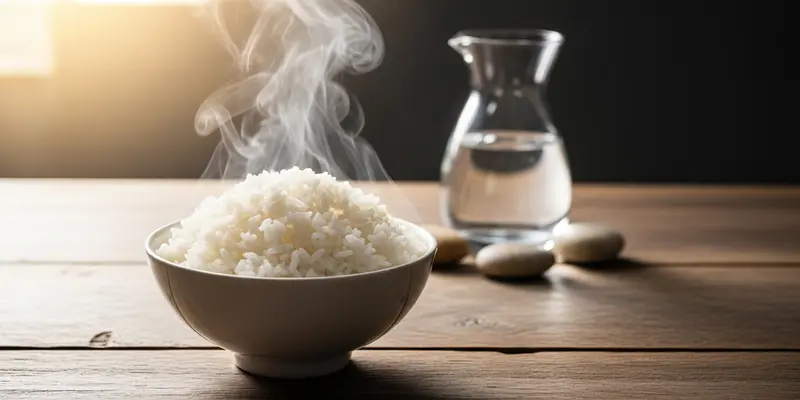
We have all been there. You open the fridge, optimistic about last night’s risotto or that mountain of jasmine rice, only to find a cold, congealed brick. You throw it in the microwave, hit two minutes, and what emerges is even worse: a pile of translucent, tooth-chipping pebbles. Microwaving leftover starch-based foods is notoriously difficult because the process mimics a desert wind, sucking every last molecule of moisture out of the grain.
But I am here to tell you that your leftovers aren’t the problem. Your method is. You are trying to bake your food when you should be steaming it. The solution is dead simple, costs zero dollars, and will change your lunch game forever.
The Culprit: Retrogradation and Dry Heat
When rice or pasta cools, the starches undergo a process called retrogradation. The molecules realign into a rigid, crystalline structure. This is why cold rice is hard.
A microwave works by vibrating water molecules. If you don’t add moisture, the microwave simply vibrates the existing water until it evaporates, leaving you with a rubbery mess. To fix this, you need to create a localized steam chamber.
The ‘Splash of Water’ Hack: A Manifesto
Forget the fancy settings on your appliance. To resurrect your starch, follow this exact protocol:
- The Splash: Add one to two tablespoons of water per cup of starch. Don’t drown it; just moisten the perimeter.
- The Seal: This is non-negotiable. Use a microwave-safe lid or a damp paper towel. If the steam escapes, the hack fails.
- The Interval: Heat in 45-second bursts. Stirring in between redistributes the heat and prevents “hot spots.”
By adding that small amount of liquid, you are turning your microwave into a makeshift steamer. The water turns to vapor, penetrates the hardened starch crystals, and forces them to relax back into their fluffy, original state.
The Midnight Resort Miracle
I learned the true power of this technique in a cramped hotel room in Vancouver three years ago. I was exhausted, starving, and staring at a box of cold, day-old Pad Thai that had the texture of a shoe sole. The room didn’t have a stove—only a dusty, low-wattage microwave.
I drizzled a bit of bottled Evian over the noodles, covered the cardboard box with a damp hotel washcloth (desperate times), and hit start. When I pulled it out, the scent of tamarind and lime bloomed in the air. The noodles weren’t just edible; they were supple. I ate the whole thing standing up over the sink, feeling like I had just performed a minor miracle of culinary alchemy.
Why Most People Fail
People fail because they are impatient. They think the ‘Splash of Water’ Hack is optional, or they leave the bowl uncovered. Without a lid, you are just making the microwave work harder to dry out your food. You must trap the humidity.
This isn’t just about rice. This works for penne, lo mein, and even quinoa. If it’s a starch that came out of a pot of boiling water, it needs water to come back to life. Stop eating rubber. Start using your brain.
Conclusion
Cooking is often about precision, but reheating is about physics. By mastering the balance of moisture and heat, you transform a sad desk lunch into a meal worth eating. Grab a spoon, add a splash, and seal it up. Your taste buds—and your jaw—will thank you.
FAQs
Q: Can I use broth instead of water?
A: Absolutely. Broth adds an extra layer of flavor that water lacks, making it a superior choice for savory dishes like risotto or pilaf.
Q: How much water is too much?
A: If there is a puddle at the bottom of the bowl after stirring, you’ve gone too far. Start with one tablespoon and add more only if the texture remains gritty.
Q: Does this work for pizza?
A: It’s a different beast, but yes. Placing a small glass of water next to the pizza slice in the microwave keeps the crust from getting too chewy.
Q: Should I use a plastic lid or a paper towel?
A: A damp paper towel is actually better because it breathes slightly while maintaining a high-humidity environment directly on the food’s surface.
Q: What if the rice is still hard after the first round?
A: Add another teaspoon of water, stir thoroughly to break up any clumps, and microwave for another 30 seconds. Persistence is key.
Q: Does this hack work for mashed potatoes?
A: For potatoes, I recommend a splash of milk or a knob of butter instead of water. The fat helps maintain the creamy emulsion better than plain H2O.