
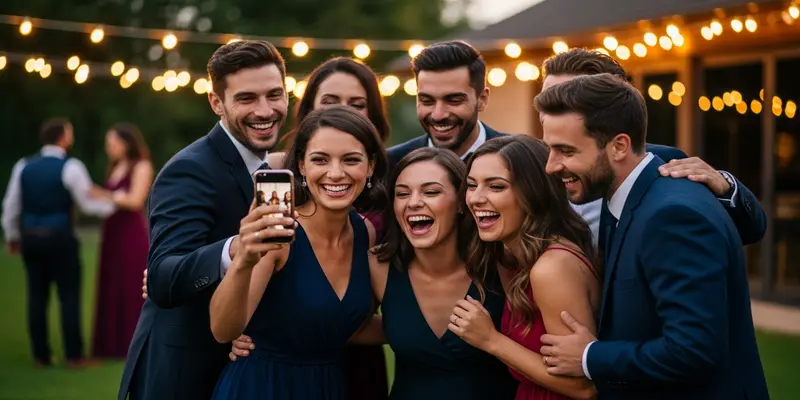
We’ve all been there. The cake is cut, the champagne is flowing, and your friend snaps a candid shot of you that looks like it belongs on a magazine cover. "Oh my god, send that to me!" you scream over the music. They nod, tuck the phone away, and utter the four most dangerous words in the English language: "I’ll send it later."
Spoilers: They won’t. Your photo is now rotting in a digital purgatory, sandwiched between a screenshot of a parking permit and a blurry picture of their cat. If you want to see those Why You’re Never Getting Those Group Wedding Photos, you need to stop trusting human memory and start enforcing the "Send It Now" Rule.
The Myth of "Later"
Later is a graveyard for good intentions. When the event ends, the dopamine drops. Life rushes back in—hangovers, flights home, the mountain of unread emails. That beautiful photo of your grandmother dancing? It’s no longer a priority for the person who took it.
Digital friction is a silent killer. The moment someone has to open their gallery, select thirty photos, find your contact, and wait for an upload bar, you’ve lost. People don’t ghost you because they’re mean; they ghost you because life is loud and photo-sharing is a chore.
The ‘Send It Now’ Rule
The rule is simple: If the photo isn’t transmitted before the conversation ends, it doesn’t exist. There are no exceptions. No "I’ll AirDrop them all tonight." No "I’ll put them in a shared album."
- AirDrop is King: If you both have iPhones, do it before you even put the phone back in your pocket.
- WhatsApp/Signal Immediately: Send it while the person is standing in front of you.
- The QR Code Hack: If it’s a large event, use a live-sharing platform or a QR code. If the host didn’t provide one, start a group text on the spot.
A Lesson from a Rainy Terrace
Three years ago, I stood on a terrace in Tuscany for a close friend’s wedding. The sun was dipping below the hills, and a friend caught a shot of me and my partner—one of those rare, unposed moments where we actually looked like we had our lives together. "I’ll send it in the morning," he promised, distracted by a tray of negronis.
I never saw that photo again. He lost his phone in a taxi two days later. The backup hadn’t triggered. That moment is gone. Not because it wasn’t captured, but because we relied on a future that never arrived. Since then, I’ve become the person who holds the conversation hostage until the blue progress bar finishes. It feels aggressive for five seconds, but the gratitude lasts forever.
Take Control of Your Archive
Stop being a passive observer of your own history. If you see someone take a photo you want, walk over. Don’t ask them to send it; ask them to send it now. Be the "annoying" friend who ensures the memories survive the night.
Memories are fragile. Technology makes them feel permanent, but without the discipline to share them, they are just bits and bytes waiting to be deleted. Next time you’re at a wedding, remember: if it isn’t in your inbox by the time the DJ plays the last song, you’re never getting it.
FAQs
Q: Isn’t it rude to ask for photos immediately during a party? No. It takes ten seconds. It’s a compliment to the photographer’s skill and ensures the moment isn’t lost to the void.
Q: What if the person says they want to edit them first? Ask for the raw versions now. They can send the edited ones later (they won’t), but at least you’ll have the original memory safe.
Q: What is the best app for instant group sharing? AirDrop for Apple users is fastest. For mixed groups, WhatsApp or a shared Google Photos album link created on the fly works best.
Q: How do I handle people who genuinely forget? Don’t nag them three days later. Follow the ‘Send It Now’ rule. If you missed the window, send a direct link to a shared album and hope for the best, but don’t hold your breath.
Q: Should I use those ‘disposable camera’ apps? They are fun for vibes, but they often add friction. Use them for the aesthetic, but keep your main camera app ready for the high-quality shots you actually want to keep.
Q: Why don’t people follow through on sharing? It’s rarely laziness. It’s cognitive load. Once the event is over, the emotional context of the photo fades for the sender, making the task feel like ‘work.’