
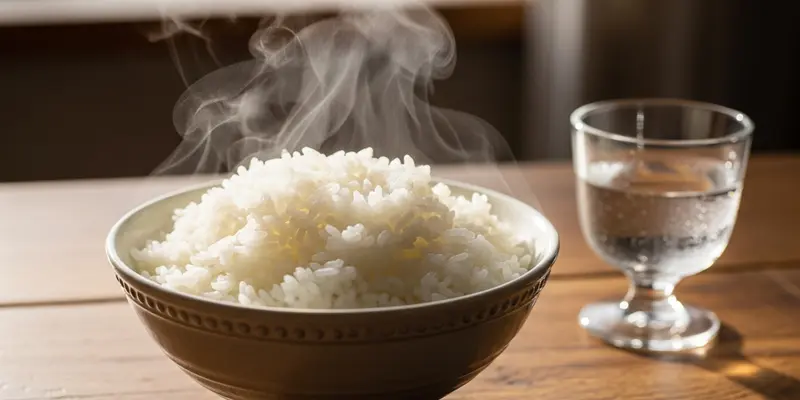
We’ve all been there. You open the fridge, optimistic about last night’s risotto or that tub of jasmine rice. You pop it in the microwave for two minutes, and what do you get? A bowl of flavorless gravel. It’s a culinary tragedy. Learning how to Reheat Rice and Pasta doesn’t have to be a death sentence for your dinner. Most people blame the microwave itself, but the microwave is just a tool. You’re just using it wrong.
Why Your Starches Turn Into Rubber
Microwaves work by exciting water molecules. When you heat up yesterday’s leftovers, the microwave turns the existing moisture into steam. In starches like rice and pasta, that moisture is already scarce because the starch has absorbed it and then crystallized as it cooled. This process is called retrogradation.
Once that tiny bit of moisture is blasted away, the starch granules lock together. You aren’t just heating food; you’re dehydrating it into something resembling construction material. Without an external source of hydration, you’re essentially toasted-drying your dinner.
The ‘Splash of Water’ Hack: Your Secret Weapon
If the problem is lack of moisture, the solution is obvious, yet ignored by millions: Add water. This isn’t a suggestion; it’s a requirement for anyone who respects their palate. Before you hit that start button, follow these non-negotiable steps:
- The Splash: Sprinkle a tablespoon of water over your rice or pasta. Don’t drown it; we aren’t making soup. Just a splash.
- The Seal: Cover the bowl with a microwave-safe lid or another plate. This traps the steam you just created, forcing it back into the grains.
- The Ice Cube Alternative: If you’re feeling fancy, put a single ice cube in the center of your rice. It won’t melt completely in the short time it takes to heat, but it acts as a constant steam generator.
- Interval Heating: Heat for 45 seconds, stir to redistribute the moisture, and repeat. Uniform heat prevents those localized “lava spots.”
A Lesson Learned in a Cold Breakroom
I remember a rainy Tuesday three years ago. I was stuck in a windowless office, staring at a container of leftover pesto penne that had the consistency of a garden hose. I tried to eat it—it was depressing.
A coworker, an old-school chef turned office manager, saw my misery. He didn’t say a word. He just took my bowl, splashed a bit of water from the cooler into it, and covered it with a damp paper towel. Two minutes later, that pasta was silky. The aroma of basil and garlic filled the room, replacing the smell of ozone and despair. That was the day I realized we don’t have to settle for mediocrity just because we’re using a microwave. The steam is the magic; you just have to provide the source.
Stop Settling for Bad Leftovers
You deserve better than crunchy rice. You deserve the comfort of a meal that tastes like it was just cooked. This hack takes five seconds and changes everything. Take a stand against dry carbs. Use the water. Cover the bowl. Eat like you actually like yourself.
FAQs
Q: Does this work for all types of pasta? Yes, though thicker noodles like fettuccine or rigatoni may require an extra teaspoon of water compared to thin angel hair or spaghetti.
Q: Won’t the rice get mushy? Not if you use a ‘splash.’ You’re aiming for steam, not a boil. Stick to roughly one tablespoon of water per cup of rice.
Q: Should I use a paper towel or a lid? A damp paper towel is great for quick jobs, but a solid lid or an inverted plate creates a more effective ‘steam chamber’ for stubborn starches.
Q: Can I use butter instead of water? Butter adds flavor and fat, but it doesn’t provide the steam needed to soften the starch granules. Use a little of both for the ultimate result.
Q: How long should I microwave it? Never go for the full three minutes at once. Go in 60-second bursts, stirring in between to ensure the moisture reaches every grain.
Q: Does this hack work for bread or pizza? It works for bread if you wrap it in a damp paper towel, but only for 10-15 seconds. Any longer and it becomes a brick the moment it starts to cool.