Minions on Ice: Why We Almost Lost the Olympics' Funniest Act
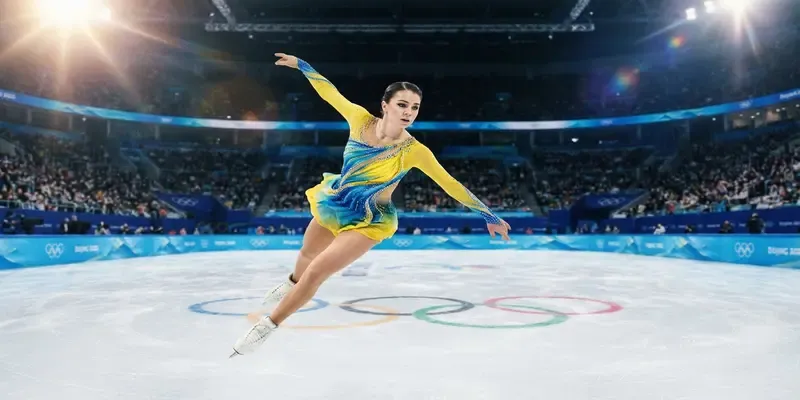
Imagine the scene: The lights dim, the crowd hushes, and the Olympic rings shimmer on the ice. You expect the sweeping drama of Tchaikovsky or the operatic weight of Puccini. Instead, the speakers erupt with the frantic, gibberish-filled harmony of ‘Ba-ba-ba-ba-nana.’ It is absurd. It is joyful. And, until recently, it was almost illegal. When IP meets the ice, the collision is rarely pretty, but the saga of the Spanish ‘Minion’ routine proves that even the stiffest corporate giants can be taught to dance.
The Day the Music (Almost) Died
Copyright law is the necessary evil of the creative world, but in the case of this Spanish figure skater, it nearly became a punchline. Universal initially blocked the use of the iconic Minions soundtrack, citing strict intellectual property protections. For a moment, one of the most anticipated, whimsical performances in Olympic history was headed for a silent grave.
This wasn’t just about a licensing fee; it was a clash of cultures. On one side, you have the multi-billion dollar legal machinery of a Hollywood titan. On the other, an athlete trying to inject a dose of unadulterated fun into a sport often criticized for being too rigid and elitist. Fortunately, public outcry and common sense forced a reversal. Universal blinked, the music was cleared, and the ‘Minion’ routine was saved.
Why We Need More ‘Illegal’ Creativity
We live in an era where everything is a ‘property.’ While I respect a creator’s right to their work, there is a point where protectionism stifles the very culture it claims to guard. Sports are a conversation between the athlete and the audience. When an athlete chooses a piece of pop culture, they aren’t ‘stealing’ it—they are elevating it into a new medium.
- Humanity Over Legality: The Olympics are about the human spirit, not contract law.
- Cultural Relevance: Using modern soundtracks keeps traditional sports alive for younger generations.
- The Power of Whimsy: Sometimes, we just want to see a world-class athlete spin while wearing yellow goggles.
A Cold Rink and a Silent Speaker
I remember sitting in a drafty, local rink in Madrid years ago, long before this Olympic drama made headlines. A young skater, maybe ten years old, had spent her entire summer choreographing a routine to a popular animated film track. She was vibrating with excitement, her sequins catching the dim fluorescent light.
Just before her name was called, a harried official told her coach they couldn’t play the music. A ‘copyright warning’ had been sent to the venue. The girl stood on the ice in total silence, the smell of damp cold and Zamboni exhaust hanging heavy in the air. She eventually performed to a generic piano track, but the spark was gone. That memory is why this Olympic reversal matters. It’s a victory for every kid who was told their imagination didn’t have the right permit.
The Final Score
Universal’s decision to allow the routine isn’t just a win for one Spanish skater; it’s a blueprint for the future. It shows that corporate giants can be flexible when the stakes are human. By allowing the ‘Minions’ to hit the ice, we aren’t just protecting a brand—we are celebrating the weird, wonderful ways that art and athleticism intersect.
Let this be a lesson to the suits: don’t let the ledger kill the laughter. The world needs more ‘banana’ energy on the world stage.
FAQs
Q: Why was the Minions music initially blocked? A: Universal Music and the associated film studios have strict IP rights, and the use of their music for international broadcasts like the Olympics usually requires expensive, complex licensing that wasn’t initially secured.
Q: Who is the skater involved in this story? A: The story centers around a Spanish figure skater who chose the whimsical theme to stand out and bring a lighter tone to the competition.
Q: Is it common for athletes to face music copyright issues? A: Yes, it is becoming increasingly common. Since Olympic performances are broadcast globally, the rights required are much more extensive than those for a local competition.
Q: What changed Universal’s mind? A: A combination of public interest, the sheer charm of the routine, and a realization that blocking a popular Olympic moment would be a public relations disaster.
Q: Can other skaters now use Minions music freely? A: No. This was a specific clearance for this event. Copyright law remains strict, and athletes must still seek permission for their music choices.
Q: How can athletes avoid these legal hurdles in the future? A: Many are now working with music consultants or using original compositions, but for pop culture hits, early negotiation with labels is the only safe bet.


