
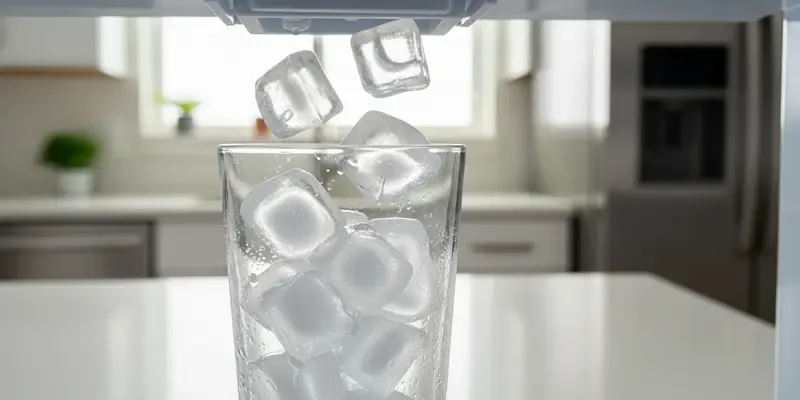
Your Ice Maker Is a Biohazard After a Water Warning
You finally get the text notification or see the news scroll: the boil water advisory has been lifted. You breathe a sigh of relief, pour a tall glass of tap water, and instinctively reach for the ice dispenser. Stop right there.
Most people treat their automatic ice maker like a magical black box that produces cold cubes from thin air. It doesn’t. It’s a plumbing extension of your home, and during that advisory, it was busy harvesting every microbe and contaminant flowing through your pipes. If you don’t act, you’re just serving up frozen bacteria in a glass of “clean” water.
Ice is Food, Not Just a Cooling Agent
We need to shift our mindset. Ice is an ingredient. If you wouldn’t drink the water during the advisory, you shouldn’t consume the ice made during—or immediately after—that period. The freezing process doesn’t kill most waterborne pathogens; it merely preserves them in a frosty little time capsule.
While the city may have flushed the main lines, the stagnant water in your refrigerator’s internal tubing and the cubes already sitting in your bin are still compromised. Ignoring this is a shortcut to a very unpleasant week of gastrointestinal distress.
The Purge: A Non-Negotiable Protocol
Once the “all clear” is given, you have work to do. Don’t just dump the bucket and call it a day. Follow this sequence to ensure your system is truly safe:
- Dump the Inventory: Empty the ice bin completely. Don’t try to save it for “cooling down sodas in a cooler.” Get rid of it.
- Flush the Water Dispenser: Run the water dispenser for at least five minutes. This clears the internal reservoir and the lines leading to the door.
- The Three-Batch Rule: Let the ice maker run and discard the first three full batches of ice. This ensures any contaminated water that was trapped in the freezing mechanism is flushed out.
- Sanitize the Bin: While the machine is cycling, wash the ice storage bin with warm, soapy water and a mild bleach solution (one tablespoon per gallon of water).
A Lesson from the Coast
I learned this the hard way back in 2018 during a coastal water main break. My neighbor, a guy named Mike, was diligent. He boiled every drop of water for his coffee and pasta. But he forgot his high-end French-door fridge was still churning out cubes.
Two days after the advisory was lifted, Mike was sidelined with a nasty case of Cryptosporidium. He’d been dropping those “tainted” cubes into his fresh tap water. I remember the smell of bleach in his kitchen later that week as he scrubbed the internal components of his freezer, muttering about how such a small cube caused such a massive headache. He thought the “all clear” meant everything was instantly perfect. It didn’t.
The Filter Factor
Many modern fridges have built-in water filters. These are great for making water taste like a mountain spring, but they are not designed to remove bacteria or viruses. In fact, if contaminated water sat in that filter, the filter itself is now a breeding ground.
If your local warning was due to a biological breach, replace that filter. It’s a $50 insurance policy against a $5,000 hospital bill. Don’t be cheap when it comes to your gut health.
Conclusion: Take the Extra Hour
It’s tempting to move on the moment the news says it’s safe. But your home’s plumbing is a complex network of small tubes and reservoirs that the city’s flush won’t reach. Taking an hour to purge your lines and toss a few batches of ice is the only way to be sure.
Clean your bin, swap your filter, and dump the ice. Your future self will thank you for the extra effort when you’re sipping a truly clean, cold drink.
FAQs
Q: Can I use the contaminated ice for my pets?
A: Absolutely not. If it isn’t safe for you, it isn’t safe for them. Pets are susceptible to the same waterborne pathogens as humans.
Q: Is washing the ice bin with just soap enough?
A: Soap is a good start, but a mild bleach solution or a food-safe sanitizer is recommended to ensure any lingering bacteria are neutralized.
Q: How do I know if my ice maker is finished purging?
A: Following the “three-batch rule” is the industry standard. This ensures that the water used was pulled from the fresh, post-advisory supply.
Q: Should I turn off the ice maker during an advisory?
A: Yes. The best practice is to switch it off immediately so you don’t have a bin full of contaminated ice to deal with later.
Q: What if I have a standalone ice chest?
A: The same rules apply. Flush the lines, discard the ice, and sanitize the interior surfaces thoroughly.
Q: Does the water filter kill bacteria during the advisory?
A: Most carbon filters found in refrigerators are designed for taste and odor, not for disinfection. Always assume the filter is compromised after an advisory.


